Fairfield Weighs Boundaries for New Parking District Under State Housing Law
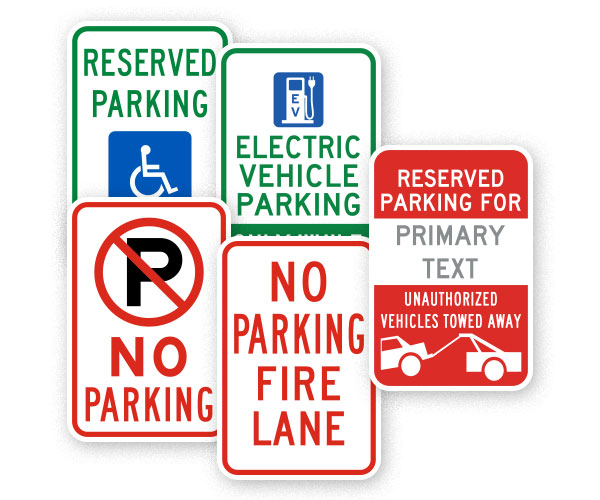
Fairfield’s Town Plan and Zoning Commission is considering where to draw a new conservation and traffic mitigation district authorized under Connecticut’s 2025 housing law, November Special Session Public Act 25-1, commonly known as HB 8002. A preliminary map has been presented based on staff work and commissioner input, and the discussion is scheduled to continue at the commission’s May 5 planning meeting. Fairfield’s zoning regulations page says the commission added monthly planning meetings on the first Tuesday of each month in 2026 to work through regulation amendments.
Areas discussed so far include the beach area, Post Road, areas north of the train station, and Southport. Reasons offered in discussion and public comment for including those areas have included business demand, forecast mixed-use development, student rental housing, existing traffic congestion, narrow side streets, and concern that parking demand may outpace available supply.
Under the state law, each municipality may adopt up to two conservation and traffic mitigation districts. Within those districts, a municipality may require minimum off-street parking for residential developments with fewer than 16 dwelling units. Each district may cover no more than 4 percent of the municipality’s land area, and the municipality must submit a property description to the Office of Policy and Management after adoption.
The state law does not specify where such districts must be located. It does not limit them to downtowns, rail-station areas, or neighborhoods with documented spillover parking. It sets the number of districts, the land-area cap, and the reporting requirement to the Office of Policy and Management, while leaving the mapping decision to the municipality through its zoning process.
Public comments posted so far have supported creation of the district, while the boundaries remain under discussion. The town website shows 37 public-input letters on the proposal. More than two areas have been proposed through public comment, and the commission has not settled the final map.
If Fairfield adopts the district, state law would still allow developers to submit a parking needs assessment seeking a lower parking requirement. If such an assessment is submitted, the municipality may not require more parking than the lesser of the state law’s default cap or the number recommended by the assessment. The law says the assessment must examine available public and private parking, public transportation options that reduce the need for off-street parking, projected future parking demand, and any relevant local traffic, parking, or safety study.
For residential developments with more than 16 dwelling units, the same state framework already applies townwide. A municipality may require parking, but if the applicant submits a parking needs assessment, the final requirement is capped by state law. The district would chiefly affect smaller residential developments, those with 15 units or fewer.
Fairfield has already revised its local parking rules. The town’s zoning regulations page shows that parking amendments were adopted on March 3, 2026. That page also states that the commission’s added 2026 planning meetings were intended to address regulation amendments.
The timing is tied to state law. The new residential parking standards take effect July 1, 2026.
Adopting the district would require changes to both the zoning text and the zoning map.
The local discussion has included both parking-management concerns and development concerns. Arguments for including particular areas have focused on existing or anticipated parking constraints. Discussion has also included concerns that additional parking requirements could make it harder to expand mixed-use development and walkable districts.
The commission has not settled the boundaries. The discussion is scheduled to continue at its May 5 planning meeting.